Top International News from Health and Medicine
Health news and Medical news from all over the internet updated in real time.
Trending News

Date: 2025/04/01 - 18:00
1 Hour of Screen Time at Bedtime Reduces Sleep by 24 Minutes, Study Finds
A new Norwegian study finds that one hour of screen time at bedtime results in a 59% higher risk of insomnia and 24 fewer minutes of sleep. The findings indicate that social media use is no more disruptive to sleep than watching TV or movies or reading on a mobile device.

Date: 2025/03/27 - 18:00
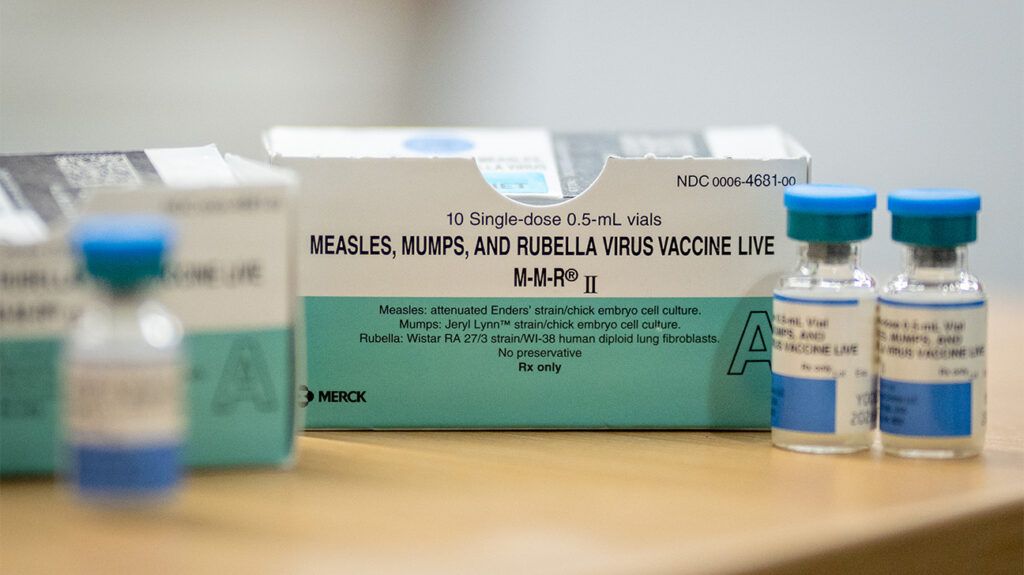
Expert Q&A: What are the long-term effects of measles in kids and adults?
Although measles is seen as a contagious viral disease that passes quickly, it can also cause damage that leaves long-term health effects. A measles infection can lead to a phenomenon called 'immune amnesia,' which affects the body's ability to fight off other infections.

Date: 2025/03/30 - 18:32
He Was Diagnosed With Colon Cancer at 38. Early Warning Signs He Missed
While CRC is on the rise in people under 50, receiving colonoscopies beginning at age 45 can help decrease your risk. Additionally, making lifestyle changes can also help reduce your risk for CRC.
Last Updates

Date: 2025/06/12 - 20:00
Your Dementia Risk May Be Higher Depending on Where You Live
A large study of U.S. veterans has found regional differences in dementia risk. The Southeast region had the highest risk, while the Mid-Atlantic had the lowest. Experts say healthcare resources should be tailored to meet regional differences.


Date: 2025/06/11 - 18:32
Low Calorie Diets Linked to Depression. Try These Healthy Eating Habits Instead
Calorie-restricted dieting is linked to an increased risk of depression in a new study that finds anyone who is on a "diet" is more likely to be depressed. The findings were especially pronounced in people with overweight.
Date: 2025/06/11 - 00:32
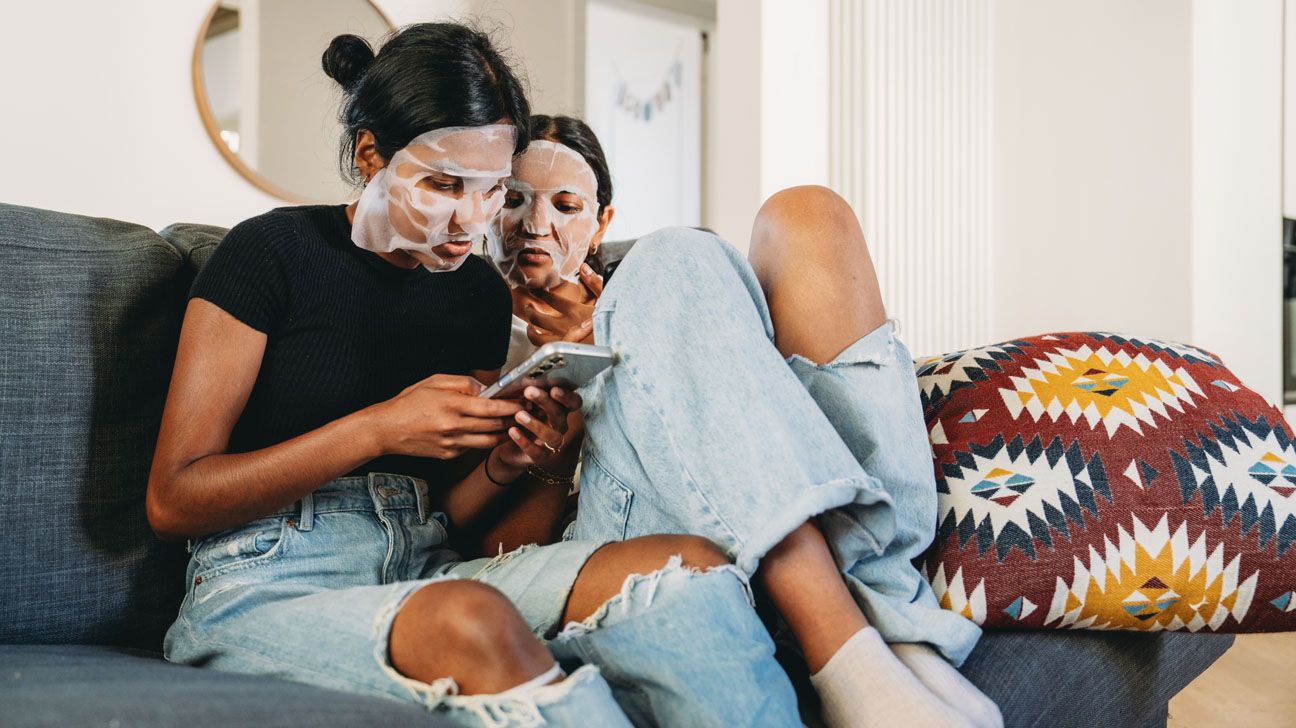
TikTok Beauty Routines May Cause Skin Allergies and Irritation, Study Finds
New research shows the potential health harms of TikTok skin care videos touting "lighter, brighter skin" marketed toward young girls ages 7 to 18. Products ranged from $168 to $500 or more per regimen and contained harsh active ingredients, which may cause skin irritation and allergies.


Date: 2025/06/09 - 18:00
Is autism on the rise? Expert fact-checks recent claims
The U.S. federal health secretary Robert F. Kennedy Jr. has made several debated claims about autism prevalence, including that it has become 'an epidemic'. A board certified family medicine physician helps us fact-check these claims.

Date: 2025/06/07 - 19:00
‘McMigraine’: Does TikTok’s Coke and Fries Hack Actually Work for Migraine?
TikTok users are touting a migraine hack involving McDonald’s fries and a Coke to relieve their symptoms. The combination of salt, sugar, and caffeine may provide temporary relief. However, processed foods high in sodium, fat, and sugar may worsen symptoms and contribute to other problems.

Date: 2025/06/07 - 05:00
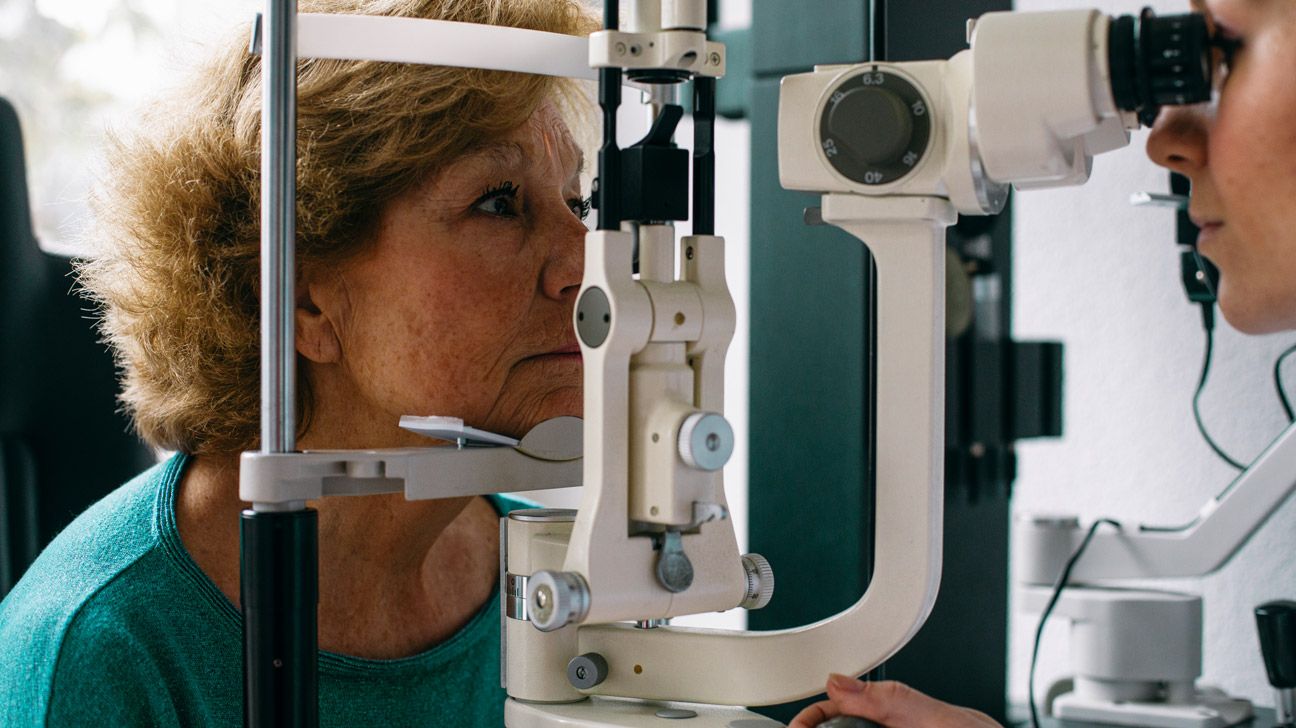
GLP-1 Drugs Linked to Age-Related Macular Degeneration, Study Finds
GLP-1 drugs like Ozempic are associated with a higher risk of developing wet age-related macular degeneration in people with type 2 diabetes, according to a new study. The risk increased the longer people were prescribed a GLP-1 drug, particularly those containing semaglutide.
Date: 2025/06/06 - 01:32
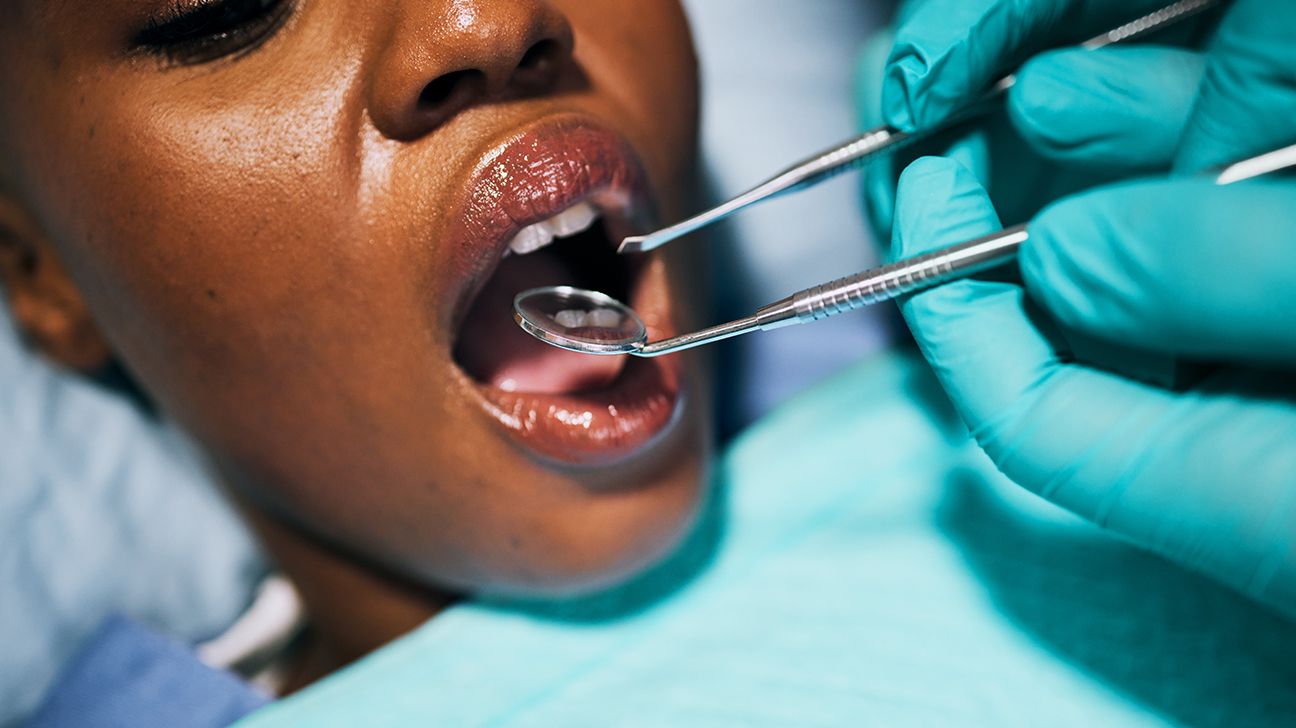
‘Ozempic Teeth’ May Cause Tooth Decay, Other Dental Health Effects
People using GLP-1 drugs like Ozempic are reporting "Ozempic teeth," an unusual side effect impacting dental health. "Ozempic teeth" may involve tooth decay, sensitivity, and tooth loss. Dentists cite dry mouth, vomiting, and low appetite as possible causes.